







Search Results for: extraction yield calculation
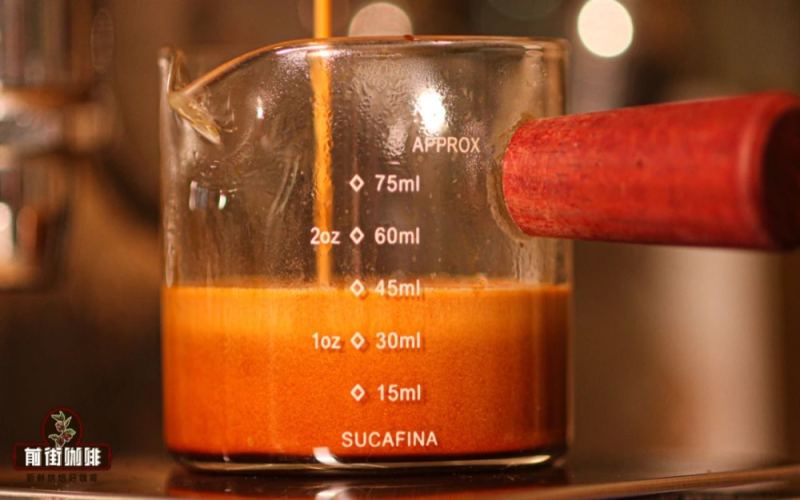
Espresso Extraction Yield | What Is Golden Cup Extraction? What Factors Affect the Flavor of Espresso Extraction? How Is Coffee Extraction Yield Calculated?
For more specialty coffee knowledge, please follow our WeChat public account: Front Street Coffee (FrontStreet Coffee). Those who have read Front Street's popular science articles may have noticed that Front Street rarely specifies exact extraction times the way it does when explaining pour-over coffee, because espresso extraction is about more than just [more…]
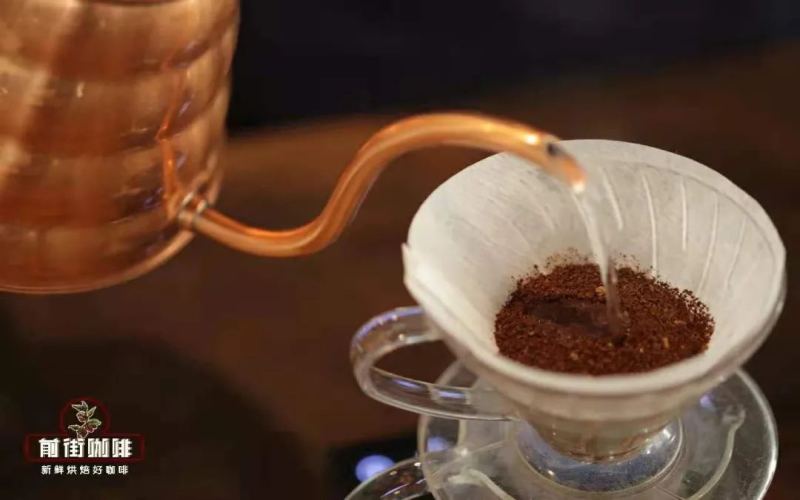
Coffee-to-Water Ratio | How to Calculate the Pour-Over Coffee-to-Water Ratio, Cold Brew Pour-Over Coffee-to-Water Ratio
Without adding sugar or milk, how to hand-brew a delicious and distinctive cup of coffee is a difficult challenge for many enthusiasts just starting out in coffee. Pour too much water and the coffee will be weak; pour too little and it will be very strong and harsh on the throat. Therefore, you must pay attention to the coffee-to-water ratio. So exactly how much water should be used to brew a cup of coffee? The coffee-to-water ratio is probably what every [more…]
Step-by-step pour-over three-stage tutorial | What is pour-over coffee and how to calculate the water-to-coffee ratio? Three-stage pour-over coffee guide with water volume and pouring ratio for each stage
I don't know under what circumstances everyone first learned about pour-over coffee. For Front Street, it was one day when I walked into a café and saw the barista pouring water in circles over the coffee grounds in the dripper, and then getting a cup of rich, aromatic black coffee. I found it absolutely fascinating, and so I fell under the spell of pour-over coffee. What does pour-over coffee mean? [more…]
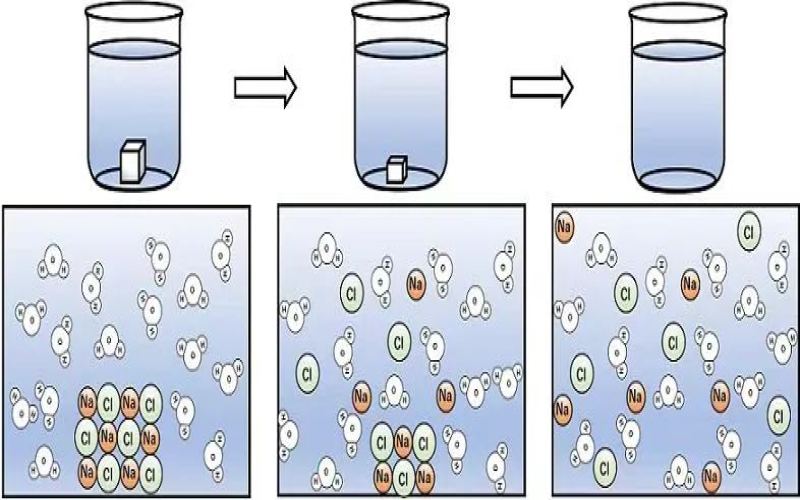
Pour-Over Coffee Brewing Temperature | What Is the Best Water Temperature for Brewing Pour-Over Coffee? Does Brewing Water Temperature Have a Big Impact on Coffee Flavor and Mouthfeel?
For pour-over coffee, most people tend to use higher water temperatures for extraction, because high temperatures not only improve extraction efficiency but, more importantly, bring out a rich, sweet-and-sour aroma and flavor. Basically, the water temperature used for pour-over coffee is rarely below 80°C. So, if you brew coffee below this temperature, is there any [more…]
Caffeine Content Calculation | How Much Caffeine Is in a Cup of Pour-Over Coffee? What Is a Suitable Daily Caffeine Intake? What Determines the Caffeine Content of Coffee?
"Which coffee on the menu has the least caffeine?" "I really want to drink coffee, but I'm afraid I won't be able to sleep at night if I do~" In the eyes of most people, coffee is a beverage consumed precisely for its stimulating effect, but its own aroma also attracts a group of friends who pursue delicious flavors, among whom there are quite a few who are intolerant to caffeine yet "greedy for a taste" [more…]
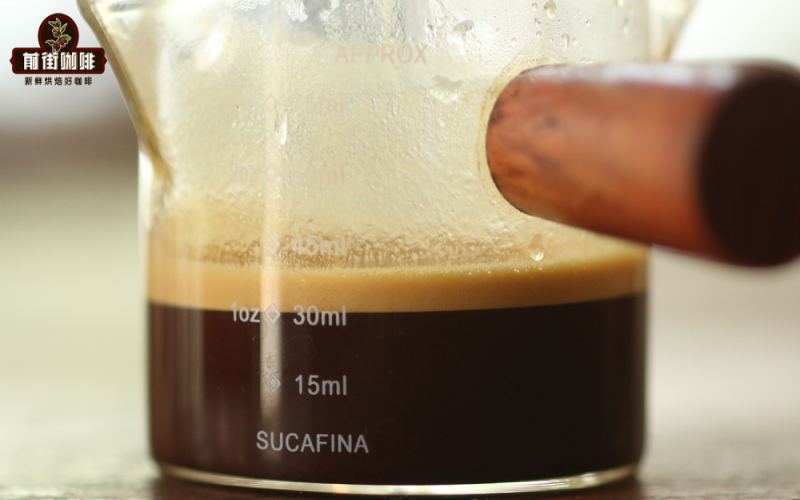
Espresso Extraction Ratios | Is there a big difference between single and double shots of espresso? How do single and double shots differ in taste and mouthfeel?
If you want to order an espresso at a coffee shop, besides saying "I'll have an espresso," you can also say "I'll have a shot." A shot is the unit for espresso; 1 shot espresso means one serving of espresso, and sometimes "sin" is also used. [more…]
Coffee Extraction | What Are Over-Extraction and Under-Extraction in Pour-Over Coffee? What Are the Signs of Under-Extraction and Over-Extraction in Pour-Over Coffee?
Front Street Coffee has found that many friends always run into this problem when they first start learning coffee brewing: they find that the coffee they brew doesn't taste good, but they can't quite say exactly what's wrong with it. To be honest, if we want to brew a good cup of coffee, besides learning the underlying logic of brewing and mastering the correct extraction parameters, [more…]
Grind Size | What coffee grind coarseness should be used for pour-over, cold brew, ice drip, moka pot, and espresso? How can coffee beginners judge the correct coffee grind size?
No matter what method we use to make coffee—whether it's pour-over, cold brew, or espresso—we first need to grind the coffee beans into grounds before we begin. The purpose of doing this is to increase the surface area of the coffee that comes into contact with water, speed up the dissolution of flavor compounds, and give the brewed coffee a fuller taste. [more…]
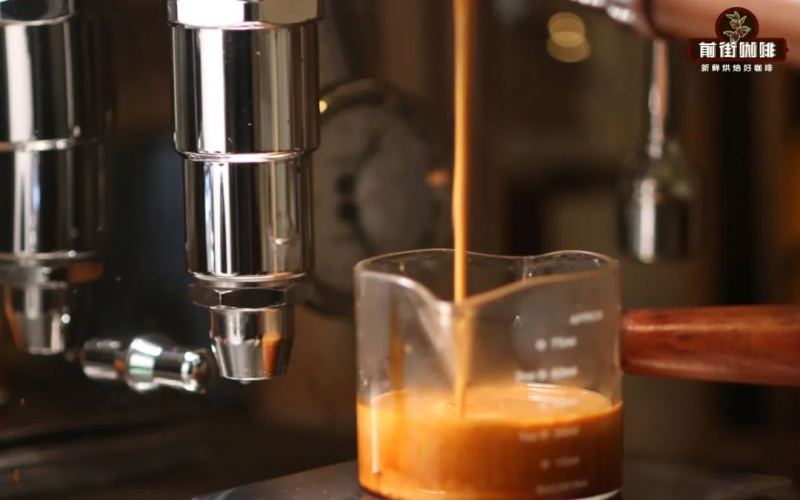
Espresso Grind Size|How Fine Should Espresso Coffee Grind Be and How to Adjust It
Espresso is the foundation of Italian-style coffee. The wide variety of milk coffees we see on café menus are mostly based on espresso. In addition, although many people like espresso with milk added, there is still a group of enthusiasts who love espresso. No matter from which angle you consider it, making [more…]
Pour-over coffee method step-by-step guide | What is the best golden coffee-to-water ratio for pour-over? How to adjust water temperature and brewing time parameters?
The charm of pour-over coffee lies in the ability to adjust various subtle parameters and tweak the extraction variables at different stages to achieve a cup with the flavor and mouthfeel you enjoy. Front Street Coffee believes that the coffee-to-water ratio is a very important parameter affecting pour-over coffee. Mastering the coffee-to-water ratio not only makes the extraction more stable but also allows the flavor to present more [more…]
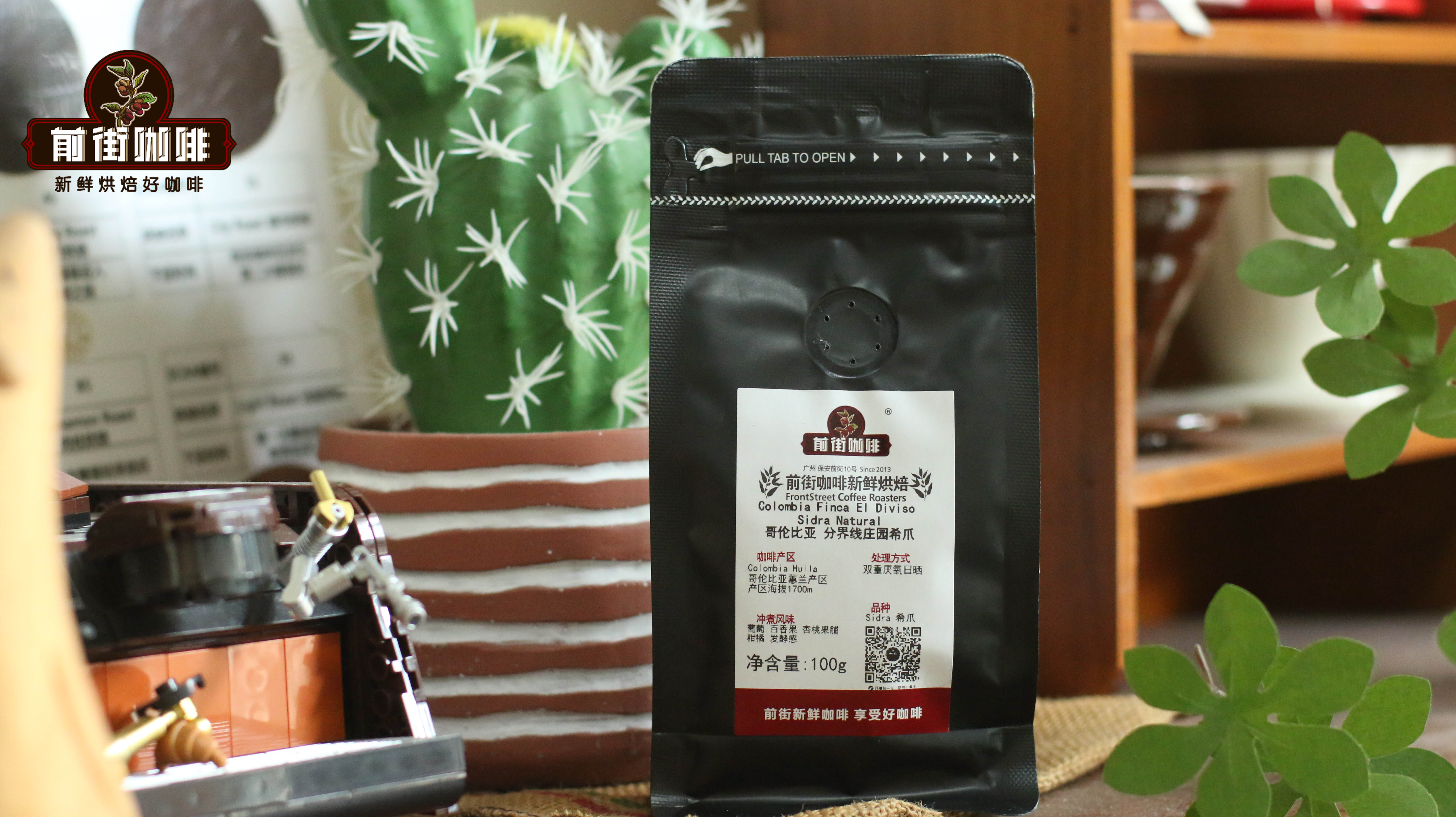
Ice Drip Coffee Beans | What are the techniques for making delicious ice drip coffee? What selected single-origin coffee beans are recommended for ice drip cold brew coffee?
Cold brew coffee refers to a method of slowly extracting coffee aromatic substances by evenly dripping ice water over coffee grounds under normal pressure. Since the low-temperature ice water does not easily extract the bitter substances from the coffee, and the slow flow rate greatly increases the extraction yield, cold brew has a rich but not bitter taste. If you choose a flavor that is more distinctive, [more…]
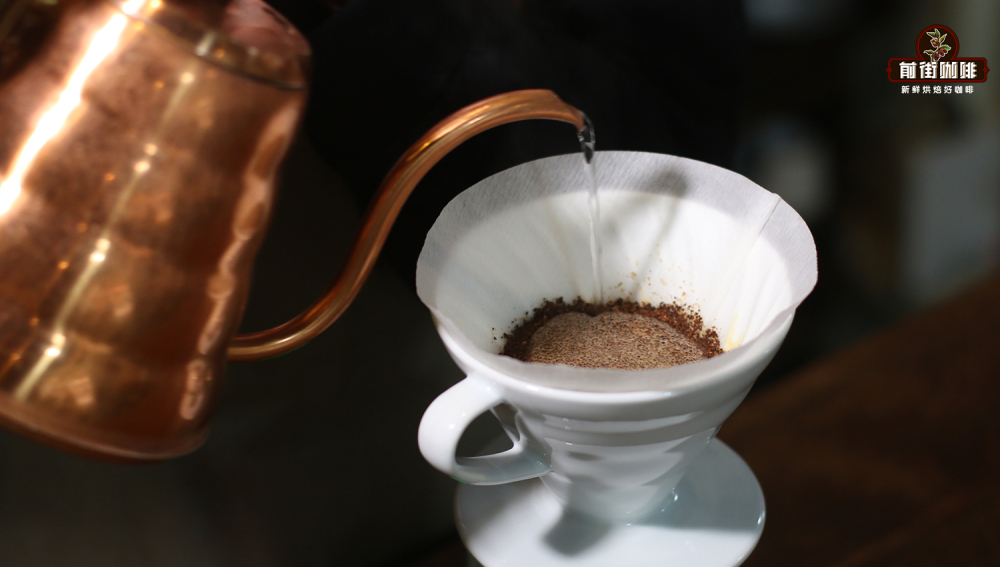
Single-Serve Pour-Over Coffee Method | What Is Gold Cup Extraction Yield? Which Brewing Technique Suits Coffee Beginners? Pros and Cons of the Drip Method, Volcano Pour, and One-Pour Technique
Front Street Coffee encounters customers asking about pour-over coffee every day, whether it's about what pouring technique should be used for pour-over coffee, or how much coffee grounds to use for pour-over coffee. In fact, with the development of coffee culture, more and more people no longer think of coffee as [more…]
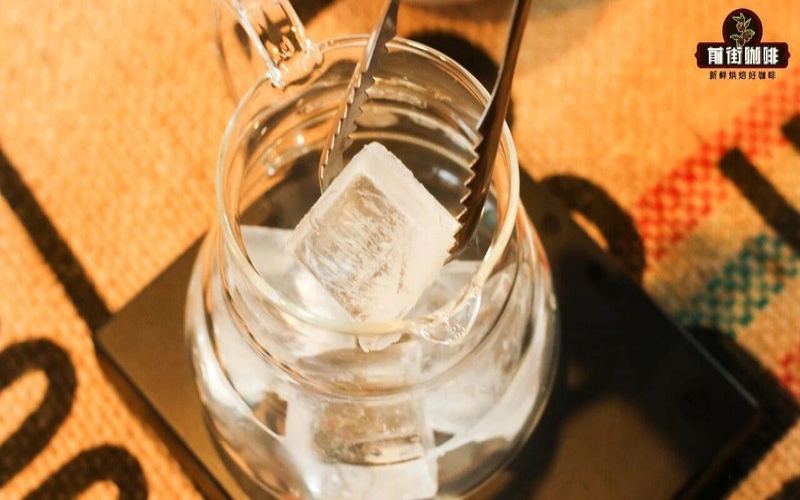
After the Roast Date: The Flavor Calendar of SOE Espresso Beans
When SOE espresso beans first leave the roaster, their aroma isn't immediately at its most expressive. The beans are still releasing carbon dioxide, and if they're put on the machine too soon, the puck is easily disrupted by gas, causing the espresso flow to fluctuate and the crema to puff up while the flavor stays tight. Treating the roast date as the start of a flavor calendar is more [more…]
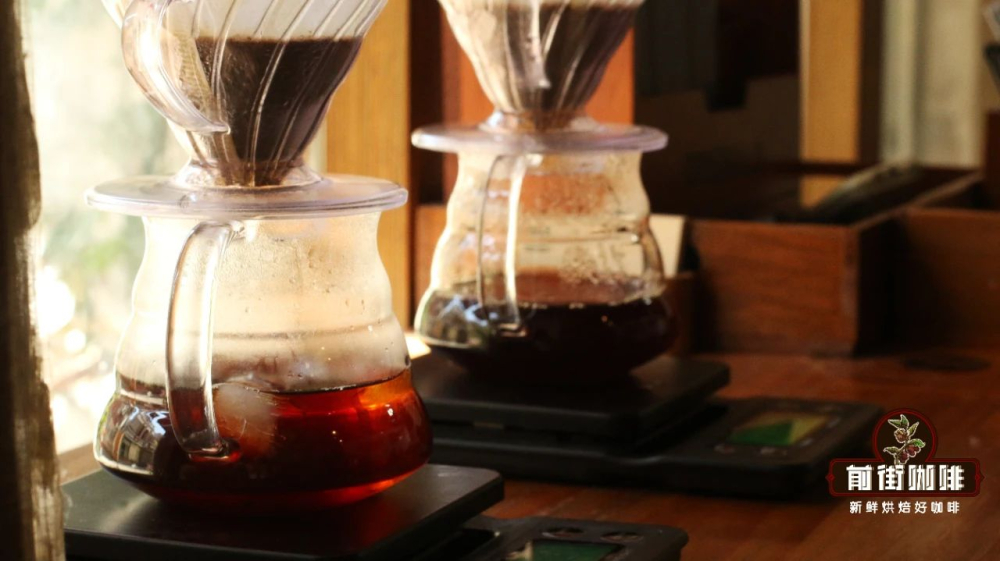
Pour-over Coffee Brewing Tips | What Is the Ideal Water Temperature for Pour-over Coffee? How Does Brewing Water Temperature Affect the Flavor and Mouthfeel of Pour-over Coffee?
If you ask whether water temperature is important for extraction, Front Street Coffee believes it is important, but not that important. As a tool for adjusting the extraction rate, the higher the temperature, the easier it is to extract soluble substances, but because too high a water temperature will cause coffee to quickly release bitterness, a conservative range should be chosen. Generally speaking, the vast majority on the market [more…]
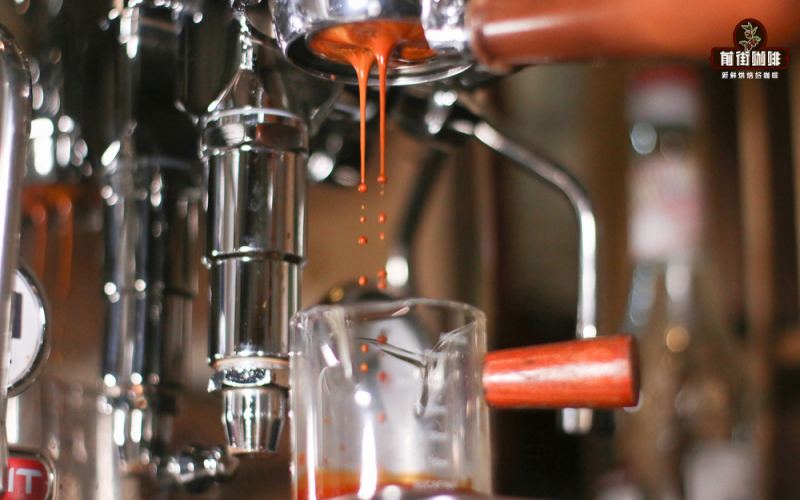
Espresso Extraction Parameters | What is the golden extraction ratio for espresso? What are the specific steps for extracting espresso?
Front Street Coffee has always emphasized that the extraction parameters for pour-over coffee have a significant impact on the cup, and for espresso the impact is even greater. You should know that factors such as the concentration and extraction time of espresso are more demanding than those of pour-over coffee, and the slightest [more…]
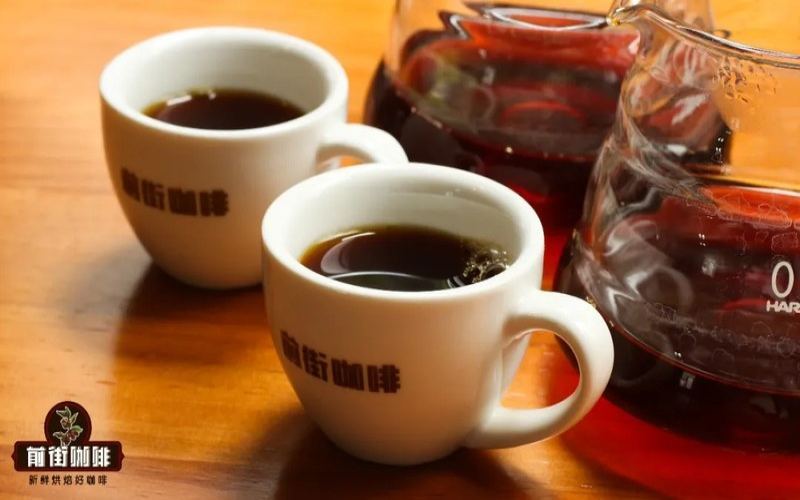
When to Open a Bag of Coffee Beans for Your Café: The Brewing Rhythm After the Roast Date
When coffee beans have just left the roaster, the bean body will still continue to release carbon dioxide. At this point, opening the bag gives a very strong aroma, but that does not mean it immediately reaches the ideal state for brewing; too much gas can make espresso flow fluctuate, and can also cause pour-over blooming to expand too quickly. When choosing beans for a shop, what matters is not "the closer to the roast date the better," but how it [more…]
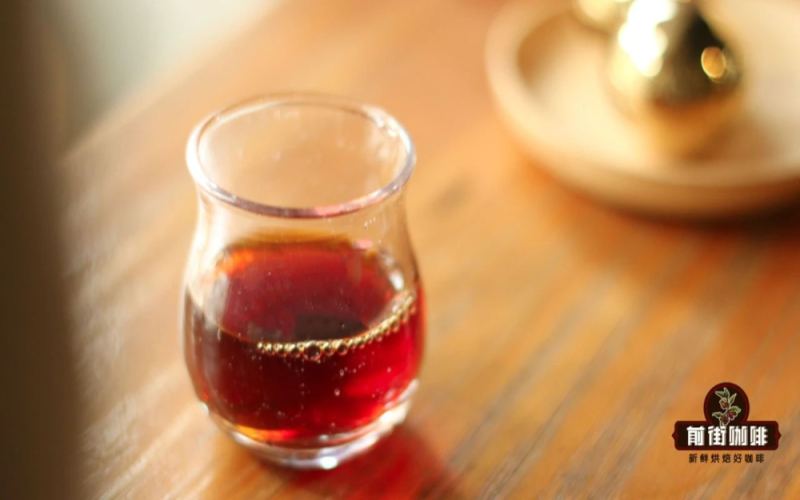
Beginner's Guide to Pour-Over Coffee | How Much Water Should You Use When Brewing Pour-Over Coffee? Is the Pour-Over Coffee Coffee-to-Water Ratio Always 1:15? What Factors Affect the Flavor of Pour-Over Black Coffee?
The coffee-to-water ratio is a very important parameter in pour-over coffee. Put simply, with a fixed amount of coffee grounds, there is an amount of water that is just right to bring out the aroma of the coffee to the fullest. Therefore, learning to find the correct coffee-to-water ratio is also an important part of learning to brew coffee. What is the coffee-to-water ratio? [more…]

The Correct Way to Drink Cold Brew Coffee | What Is Cold Brew? Where Did Cold Brew Coffee Come From? Which Coffee Beans Can Be Used for Cold Brew? An Introduction to Cold Brew Coffee's Coffee-to-Water Ratio, Grind Size, Extraction Time, and Water
Many friends who come to Front Street Coffee say that watching the ice water slowly drip through the cold drip tower is so soothing, and they ask Front Street what kind of coffee this is. This is the biggest difference between cold drip coffee and many other coffee categories—it generally requires a long, slow extraction of 6-8 hours, so usually Front Street's cold drip output is not large. [more…]
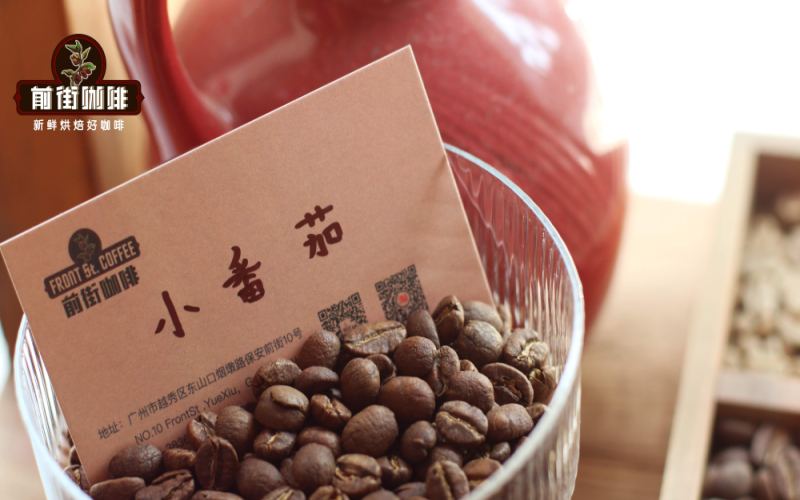
The Origin Story of Cold Brew Coffee | Why Is Cold Brew Called Dutch Coffee? How Do You Use a Cold Brew Coffee Maker? Which Coffee Beans Are Best for Cold Brew?
Many friends who come to Front Street Coffee say that watching the ice water slowly drip through the cold brew tower is so therapeutic, and they ask Front Street what kind of coffee this is. This is the biggest difference between ice drip coffee and many other coffee categories: it generally requires a long, slow extraction of 6-8 hours, so Front Street's ice drip output is usually not large. [more…]
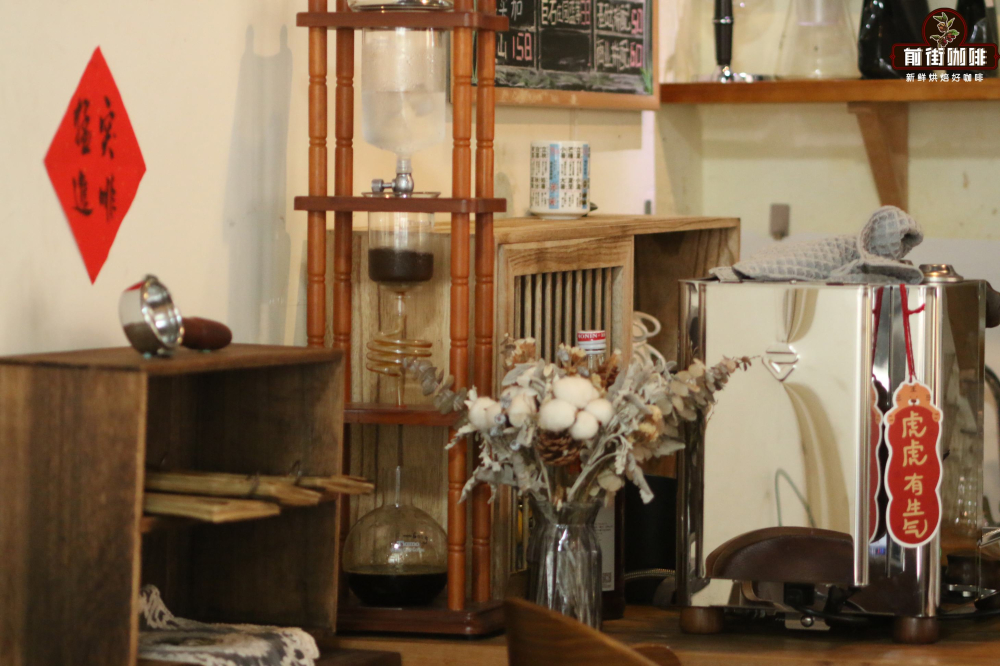
The Origin and History of Cold Brew Coffee | Which Coffee Beans Are Good for Cold Brew? How Can Coffee Beginners Choose Single-Origin Beans for Cold Brew? An Introduction to Cold Brew Methods, Coffee-to-Water Ratios, and Extraction Parameters
For more specialty coffee knowledge, please follow: Front Street Coffee (Frontsteet Coffee) Many friends who come to Front Street to drink coffee say that watching the ice water in the cold drip brewer slowly drip through the process is so soothing, and ask Front Street what kind of coffee this is. This is the biggest difference between cold drip coffee and many other coffee categories. [more…]